
what is the cost of laminated glass
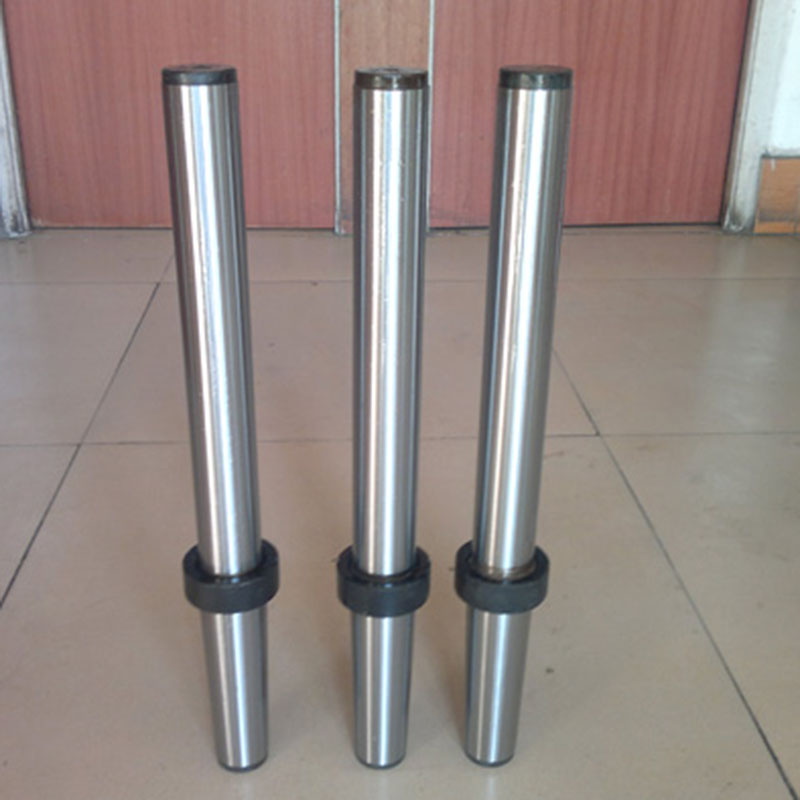
Understanding the Importance of Runout Testers in Quality Control In today's competitive manufacturing landscape, ensuring the precision and quality of components is crucial. One of the key tools utilized in this context is the runout tester, a device that measures the amount of runout present in rotating parts, such as shafts, bearings, and wheels. This article aims to delve into the significance of runout testers, their operating principles, and their applications in various industries. What is Runout? Runout refers to the deviation of a rotating object's centerline from its intended circular path. It can occur in two main forms radial runout and axial runout. Radial runout measures the variation in the distance from the center axis to the outer edge of a rotating part, while axial runout assesses how much a part wobbles along its axis of rotation. Excessive runout can lead to vibrations, accelerated wear, and premature failure of components, making it essential to monitor and control this parameter during manufacturing and assembly. How Does a Runout Tester Work? A runout tester typically consists of a probe, which is mounted on a stable platform and positioned in contact with the component being tested. As the part rotates, the probe measures the radial or axial displacement, providing real-time feedback on any runout present. The readings are often displayed on a digital screen or recorded for further analysis . Some advanced runout testers also come equipped with software that can analyze trends over time, providing predictive maintenance capabilities and aiding in quality control. The setup of a runout tester generally involves the following steps 1. Mounting the Component The part being tested is securely mounted to prevent movement during the test. 2. Positioning the Probe The probe is adjusted so that it makes contact with a specific point on the rotating surface. runout tester 3. Performing the Test The component is rotated at a controlled speed, and the probe captures displacement data. 4. Analyzing the Results The readouts indicate the level of runout, allowing manufacturers to determine whether the component meets specified tolerances. Applications of Runout Testers Runout testers are employed across various industries, including automotive, aerospace, manufacturing, and robotics. In the automotive industry, for instance, the precision of rotating elements such as crankshafts and brake rotors is critical for vehicle performance and safety. Regular testing ensures components are within acceptable tolerances to prevent vibrations and enhance overall vehicle reliability. In aerospace, where safety is paramount, runout testers are used to measure critical components such as turbine shafts and landing gear. Even slight deviations can have serious consequences, making accurate measurement essential. Additionally, in the manufacturing sector, runout testing is integral to production lines where rotating machinery is involved. By routinely checking for runout, manufacturers can minimize downtime, reduce maintenance costs, and improve product quality. Conclusion In summary, runout testers are vital tools that play a significant role in ensuring the precision and reliability of rotating components across various industries. With the ability to identify and quantify runout, these testers help manufacturers maintain high-quality standards and enhance the performance of their products. As technology continues to evolve, the capabilities of runout testers are likely to expand, incorporating advanced analytics and connectivity to further streamline quality control processes. By investing in such tools, companies not only comply with industry standards but also foster long-term operational efficiency and customer satisfaction.
about
what is the cost of laminated glass
How to Turn Off a Water Valve A Step-by-Step Guide Turning off a water valve is an essential skill for homeowners and renters alike. Whether you’re dealing with a plumbing emergency, making repairs, or winterizing your home, knowing how to properly shut off your water supply can save you time, money, and prevent potential water damage. Here’s a step-by-step guide to help you through the process. Understanding the Types of Water Valves Before you begin, it’s important to familiarize yourself with the different types of water valves you might encounter in your home . The two most common types are 1. Gate Valve This valve typically has a round handle that you turn clockwise to close and counterclockwise to open. These valves can take a few turns to fully shut off the water. 2. Ball Valve This valve usually has a lever handle that you can turn a quarter turn (90 degrees) to shut off or turn on the water. They are generally quicker to operate than gate valves. 3. Angle Valve Commonly found under sinks, angle valves have a handle that you can turn to stop the water flow to specific fixtures. Step-by-Step Instructions 1. Locate the Water Valve The primary water shut-off valve for your home is usually located near the foundation where the water line enters. Additionally, individual fixtures (sinks, toilets, washing machines) will have their own shut-off valves. Ensure you know both the main valve location and the individual ones. how to turn off water valve 2. Turn off the Main Valve If you are dealing with a significant plumbing issue, it’s best to start by shutting off the main water supply. To do this, locate the main shut-off valve and turn it clockwise until it stops. You may need to use some force if the valve hasn’t been turned in a while. 3. Drain the Lines After turning off the main valve, it’s a good idea to let any remaining water in the pipes drain out. Open faucets in your home, starting from the top floor and working your way down. This helps to release pressure and ensures that your pipes are empty. 4. Test the Water Open a faucet that’s farthest from the valve you turned off to ensure that the water supply has been successfully cut off. No water should flow out if the valve has been effectively closed. 5. Address the Issue Whether you’re fixing a leak, replacing a sink, or any other task that requires the water to be off, now is the time to proceed with your work. Ensure you have the necessary tools and materials ready to complete the job. 6. Turn Water Back On Once your work is complete, it’s time to restore the water supply. Begin by slowly turning the main valve counterclockwise. After the water has been restored, check each individual fixture to make sure everything is working correctly and there are no leaks. 7. Final Check Make sure all your faucets are closed and listen for any unusual sounds from your pipes. If you hear any dripping or hissing sounds, it might indicate that a valve isn’t fully closed, and you'll need to investigate further. Conclusion Turning off your water valve might seem daunting at first, but by following these steps, you can manage your home’s plumbing needs more effectively. Regularly checking your valves and knowing how they work can prevent small issues from escalating into larger problems. Remember to maintain your plumbing system and address any potential issues promptly. By being proactive, you can ensure a safe and efficient home environment.
-

High quality industrial productsagement

High quality industrial products
View Details -

Meet the diverse needs of customers

Meet the diverse needs of customers
View Details -

Strict quality control

Strict quality control
View Details -

Top raw materials

Top raw materials
View Details -

Trusted supplier

Trusted supplier
View Details
Our application



news and information
Wholesale Solutions for Valves and Related Products in the Industry
Exploring Valve Wholesale An Overview In the world of industrial applications, valves play a crucial
Welding Table Clamps for Enhanced Precision and Stability in Metalworking Projects
The Importance of Welding Table Clamps in Metal Fabrication Welding is a crucial process in the meta

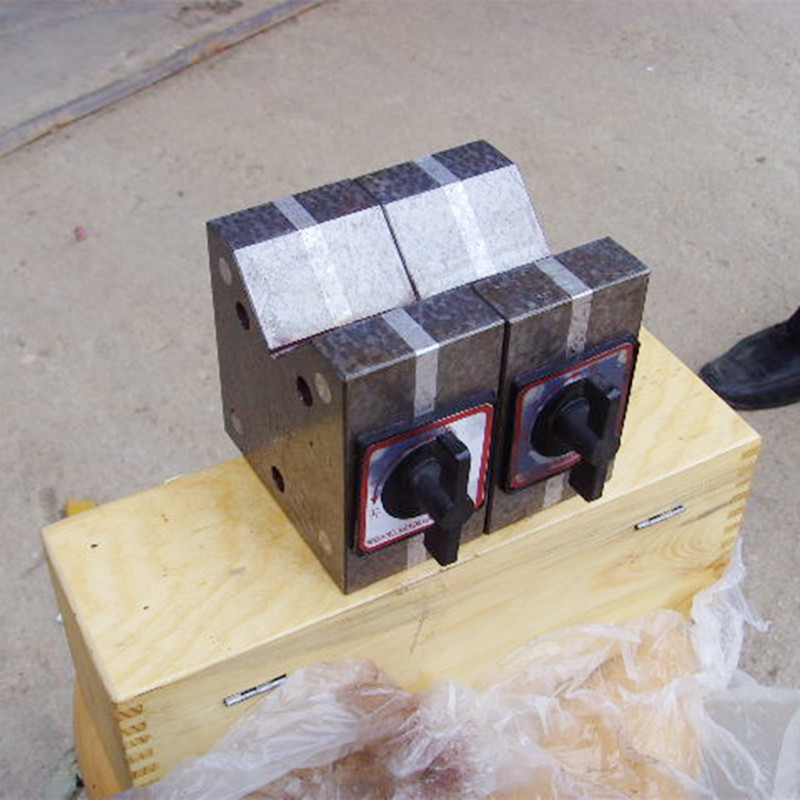
v block v block
Understanding V Block A Fundamental Tool in Manufacturing and Engineering In the world of manufactur
 English